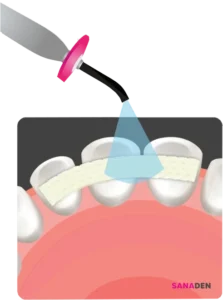
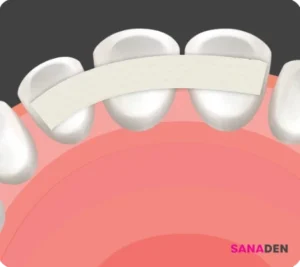
A Maryland Bridge is a conservative fiber-reinforced restoration used to replace a single missing tooth while preserving healthy tooth structure. Fiber-Bridge creates a strong, lightweight framework bonded to adjacent teeth, providing an aesthetic and minimally invasive treatment option.
This technique can be used as an emergency solution, a provisional restoration, or in selected cases as a medium-term treatment option.
Clinical Indications
Single missing tooth
Emergency tooth replacement
Delayed implant placement
Interim restorations
Conservative treatment approaches
Young patients awaiting definitive treatment
Benefits
Minimally invasive technique
Preservation of healthy tooth structure
Metal-free restoration
Excellent aesthetics
Chairside fabrication
Easy repair and modification
Reduced treatment time
Step-by-Step Procedure
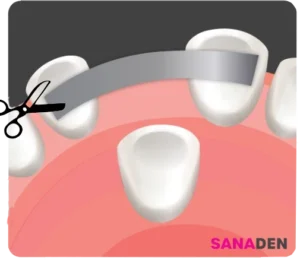
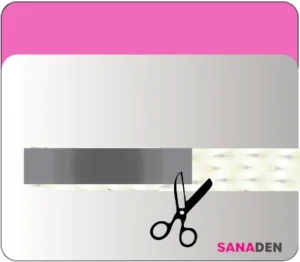
1. Use a tin foil or a similar item to obtain the desired pattern.
2. Measure the needed length and prepare the fiber according to the desired “frame”.
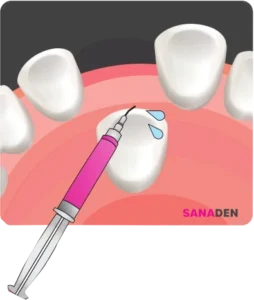
3. Prepare the surface in order to obtain an ideal bonding of the fibers (i.e. acid etching).
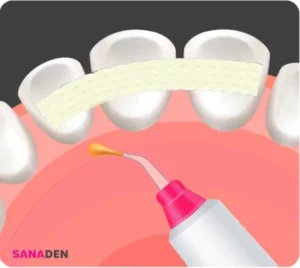
4. Start covering the Fiber-Bridge structure with a cement or a highly flowable composite resin and use an adhesive if needed.
5. In a Maryland Bridge the Fiber-Bridge ribbon must be impregnated and entirely covered with a resin composite and finally light-cured.
6. Light-cure and polish to obtain a perfect result and aesthetics.
Keys to Success ✅
Ensure adequate enamel surface for bonding.
Always impregnate the Fiber-Bridge ribbon completely before placement.
Never leave fibers exposed to the oral environment.
Cover the ribbon with a sufficient thickness of composite resin.
Avoid sharp bends or twists in the reinforcement structure.
Ensure proper isolation and moisture control throughout the procedure.